
Why Is My Paint Bubbling? A New England Homeowner’s Guide
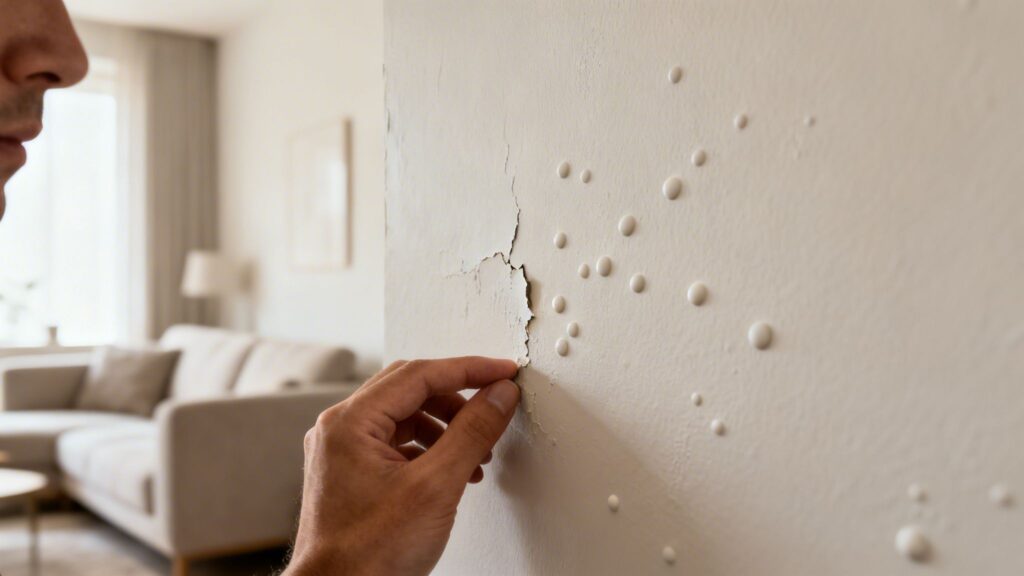
Few things are more frustrating than stepping back to admire a freshly painted wall or exterior, only to notice bubbles forming under the surface. If you’ve been asking yourself why my paint is bubbling, you’re not alone. Paint bubbling, also called paint blistering, is one of the most common complaints we hear from homeowners across Massachusetts and New Hampshire. That’s usually a sign that something isn’t right underneath the surface. The good news is that once you understand the cause, the fix is usually straightforward. What Paint Bubbling Actually Is (And Why It Matters) Paint bubbling, or blistering, occurs when the paint film lifts away from the underlying surface, creating raised pockets that trap air, moisture, or solvent vapor underneath. It can happen on interior walls, exterior siding, trim, and virtually any painted surface. It’s important to tell the difference because bubbling can be a minor adhesion issue that’s easy to repair, or it can be an early warning sign of moisture intrusion, water damage, or structural problems hidden behind the surface. Ignoring it allows the underlying damage to worsen, turning a simple repaint into a costly repair. Heat Blisters vs. Moisture Blisters: How to Tell the Difference Not all paint blisters are created equal. Understanding which type you’re dealing with is the first step toward fixing the problem correctly. Factor Heat Blisters Moisture Blisters Cause Direct sun / high surface heat Trapped moisture / water intrusion Appearance Small to medium, dry inside Often larger, may contain liquid Layers Affected Top coat only Through all layers to substrate Typical Location Sun-facing exterior walls Any wall; often near gutters, windows, bathrooms Urgency Lower; usually cosmetic Higher; indicates active moisture problem Heat blisters form when direct sunlight rapidly heats the paint surface, causing solvents or trapped air in the top coat to expand. These typically affect only the outermost layer and are most common on south- and west-facing exterior walls during MA and NH summers. Moisture blisters are more serious. They penetrate through multiple paint layers, sometimes all the way down to bare wood or plaster, because water is actively working its way behind the paint film. These indicate a genuine moisture problem that must be resolved before any repainting. What Causes Bubbles in Paint? The 6 Most Common Culprits After more than 700 projects across New Hampshire and Massachusetts, we’ve seen every version of paint blistering imaginable. Here are the six causes we encounter most often. 1. Moisture and Humidity Trapped Beneath the Surface Moisture is the single most common reason paint bubbles on walls and exterior siding. Water works its way behind a paint film from: In New England, this issue is amplified. Humid summers push moisture vapor through walls from the inside out, while winter freeze-thaw cycles force water deep into traditional building materials like clapboard siding and interior plaster, common in towns like Keene, Leominster, and Hingham. 2. Painting Over a Damp or Poorly Prepped Surface This is one of the most preventable causes of paint blistering, yet it happens constantly. Blistering occurs when paint is applied to: The paint may look fine initially, but bubbles appear within weeks or months as trapped moisture tries to escape. Spring painting season in NH and MA is especially tricky. Morning dew, residual winter moisture in siding, and cool overnight temperatures leave surfaces damper than they appear. A board that looks dry to the touch at noon may have had moisture sitting on it at 7 a.m. 3. Extreme Temperature Swings and Direct Sunlight New England’s temperature shifts put extraordinary stress on painted surfaces. Consider what exterior paint in our region endures: Direct sunlight compounds the problem. When paint is applied to an overheated surface, the outer layer dries and skins over before solvents underneath have fully evaporated, trapping vapor that forms blisters as it expands. South-facing exteriors in towns like Swanzey, Braintree, and Plymouth take the hardest hit. 4. Using the Wrong Paint or Primer for the Surface Paint products are engineered for specific substrates and conditions. Common mismatches that cause adhesion failure: Even the best paint will fail if it’s paired with the wrong primer or applied to an incompatible surface. That’s why we use Benjamin Moore products on every project. Their resins and binders are built to flex with temperature changes and grip surfaces more effectively, which matters a lot in New England conditions. 5. Old, Failing Paint Layers Underneath Many historic and older homes throughout MA and NH have accumulated five, ten, or even fifteen layers of paint over the decades. When those deeper layers begin to fail by cracking, chalking, or losing adhesion, any new paint applied on top inherits the instability. Thorough prep work matters more than most homeowners realize: Skip those steps and you’ll end up with the same problem again. 6. Poor Ventilation in Bathrooms, Kitchens, and Basements When paint bubbling on a wall happens indoors, inadequate ventilation is often the culprit. These rooms generate significant moisture: Without proper exhaust fans or air circulation, moisture condenses on walls and works behind the paint film. Older New England homes are especially prone to this issue because many were built before modern ventilation standards. How New England Weather Makes Paint Bubbling Worse Living in Massachusetts or New Hampshire means your home’s exterior paint takes a hit every single season. Season What Your Paint Faces Winter Ice dams and freeze-thaw cycles forcing moisture into siding, brick, and masonry Spring Snowmelt and morning dew sitting on siding before the sun heats the surface Summer High humidity pushing moisture through walls; intense sun creating heat blisters on south-facing surfaces Fall Nor’easters driving rain into siding and trim; salt air in coastal towns like Scituate and Marshfield wearing down the paint film These aren’t occasional events. They’re what every home in our service area faces year after year. That’s why we approach every exterior project with prep and product selection that accounts for New England’s conditions, based on firsthand experience across more than 700 regional projects. How to
Why Is My Paint Cracking? Common Causes for MA & NH Homeowners
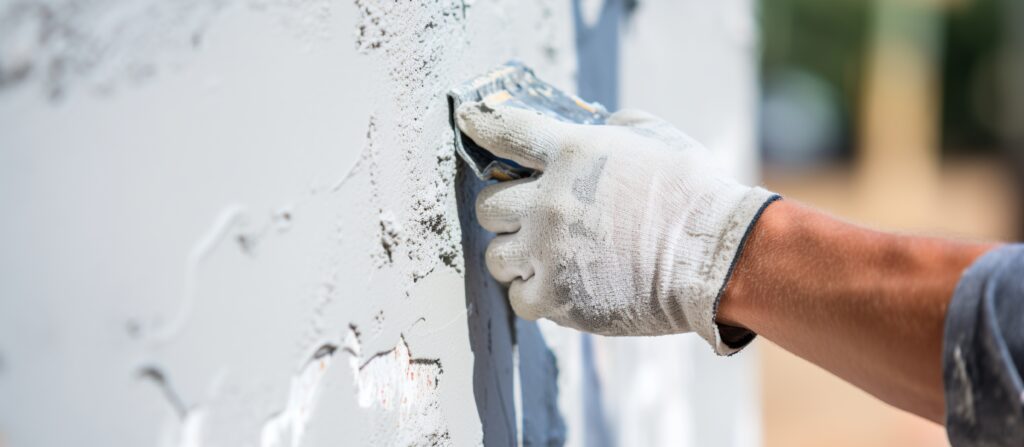
Paint doesn’t crack for one reason. It’s almost always a combination: the wrong prep, the wrong timing, the wrong product, or water getting somewhere it shouldn’t. New England’s climate — bitter winters, humid summers, 40-plus freeze-thaw cycles a year — puts paint through more stress than most guidance accounts for. What Causes Paint to Crack? The 7 Most Common Reasons While New England’s challenging climate is a major contributor to paint wear, it is rarely the only factor involved. These seven common issues are the primary reasons paint jobs across Massachusetts and New Hampshire require premature maintenance. 1. Poor Surface Preparation Before Painting Skipping prep is the single most reliable way to guarantee a paint job fails early. Paint needs a clean, stable surface to bond properly, without it, adhesion fails, and cracking shows up within a season or two. In New England, where surfaces take a beating year-round, thorough prep isn’t optional. It’s what separates a lasting result from a repair call in 18 months. What proper surface preparation includes: Each of these steps builds on the last. Skip one, and the entire paint system loses its foundation. A coat over improperly prepped surfaces might look fine on day one, but harsh New England weather will find those weak spots fast. At MJR, we believe in doing things right from the ground up, using premium finishes built to actually last through our toughest winters. 2. Applying Paint in Extreme Temperatures or Humidity Timing matters as much as technique. Paint chemistry depends on specific temperature and humidity windows to cure correctly. In Massachusetts and New Hampshire, those opportunities can be short, and missing them results in a film that looks finished but hasn’t actually set up the way it should. Ideal application conditions: Condition Ideal Range Air temperature 50°F to 85°F Humidity Below 50% Rain forecast None for at least 24 hours Surface temperature Same range as air temperature What happens outside these ranges: 3. Using Low-Quality or Incompatible Paint Products Not all paints are built the same, and in New England’s climate, those differences show up fast. Lower-quality products don’t have the formulation to handle what homes here deal with every year. Why paint quality matters in New England: Lower-quality paints contain fewer solids, cheaper binders, and less flexible resins. They cover walls fine on application day, but lack the elasticity to survive constant expansion and contraction cycles. The incompatibility problem: Applying latex paint directly over old oil-based paint without a bonding primer is a classic failure scenario. Latex and oil-based products expand and contract at different rates; the new layer eventually separates, creating cracks and peeling. 4. Moisture Trapped Behind the Paint Film Water is the most destructive force working against your paint. It doesn’t need a visible leak, moisture finds its way in through dozens of entry points, sits trapped behind the film, and pushes outward as it evaporates. In New England homes, ice dams and seasonal humidity swings make this one of the most common causes of recurring paint failure. Common sources of moisture intrusion: As trapped moisture evaporates, it pushes outward, causing paint to bubble, blister, crack, and peel away from the surface. Ice dams are a particularly destructive regional problem. Moisture forced into wall cavities often shows up months later as cracking or peeling on exterior siding or interior ceilings. If paint keeps cracking in the same spot, especially around windows or along rooflines, moisture intrusion is likely the culprit. Repainting without fixing the source is just a temporary bandage. 5. Too Many Coats or Excessively Thick Application More paint does not mean better protection. Applying too many accumulated layers, or single coats that are too thick, creates its own set of failure modes. The outer surface can’t cure correctly when the layers underneath are still moving, and that tension eventually works its way to the surface as cracks. Excessively thick single coats cause problems, too: 6. Sun and UV Exposure on South-Facing Walls UV radiation breaks down the binders that hold paint together. New England’s combination of UV degradation plus freezing temperatures creates a particularly destructive cycle: This is why south-facing walls often need repainting sooner than north-facing walls on the same house. Darker colors absorb more heat and degrade faster, color choice matters here too. 7. Natural Wood Movement and Aging Substrates Wood moves. It expands when it absorbs moisture and contracts when it dries out, and it does this constantly across every season. Paint applied over wood needs enough flexibility to move with it. On older homes, where the wood itself has aged and become more porous, that challenge gets harder. This becomes a paint problem when: High-quality, flexible paint applied over properly primed wood handles seasonal movement far better than cheap, brittle coatings. For decks, fences, and outdoor structures — which face moisture from all sides — proper product selection is essential. How New England Weather Destroys Paint Jobs Faster Most painting guidance is written for someone in San Diego. It doesn’t account for what homes in Massachusetts and New Hampshire face every year. What your home’s paint endures annually: Stressor New England Reality Temperature range 0°F to 95°F+ — nearly a 100-degree swing Freeze-thaw cycles 40+ per winter, each stressing paint films Humidity variation Bone-dry heated interiors vs. 80%+ summer humidity Wind-driven rain Nor’easters force moisture directly against siding Coastal salt air Accelerates paint degradation and substrate corrosion (South Shore) Ice dams Trap water that works into wall cavities from above By comparison, a home in a temperate climate might experience a 40-degree annual temperature range, zero freeze-thaw cycles, and minimal wind-driven moisture. That paint simply doesn’t work as hard. This is why painting practices that work in milder regions often fail here. How to Tell What Type of Paint Cracking You Have The pattern, depth, and location of cracks tell a story about what went wrong. Before you pick up a scraper or call a painter, identify what you’re dealing with. Cracking Type Comparison Type What It