
Few things are more frustrating than stepping back to admire a freshly painted wall or exterior, only to notice bubbles forming under the surface. If you’ve been asking yourself why my paint is bubbling, you’re not alone. Paint bubbling, also called paint blistering, is one of the most common complaints we hear from homeowners across Massachusetts and New Hampshire.
That’s usually a sign that something isn’t right underneath the surface. The good news is that once you understand the cause, the fix is usually straightforward.
What Paint Bubbling Actually Is (And Why It Matters)
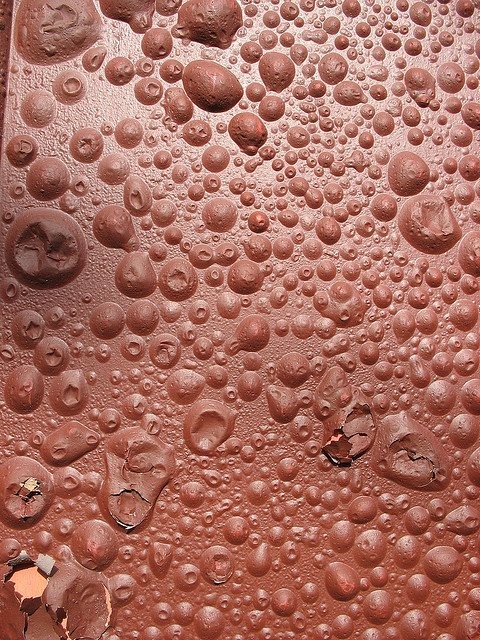
Paint bubbling, or blistering, occurs when the paint film lifts away from the underlying surface, creating raised pockets that trap air, moisture, or solvent vapor underneath. It can happen on interior walls, exterior siding, trim, and virtually any painted surface.
It’s important to tell the difference because bubbling can be a minor adhesion issue that’s easy to repair, or it can be an early warning sign of moisture intrusion, water damage, or structural problems hidden behind the surface. Ignoring it allows the underlying damage to worsen, turning a simple repaint into a costly repair.
Heat Blisters vs. Moisture Blisters: How to Tell the Difference
Not all paint blisters are created equal. Understanding which type you’re dealing with is the first step toward fixing the problem correctly.
| Factor | Heat Blisters | Moisture Blisters |
| Cause | Direct sun / high surface heat | Trapped moisture / water intrusion |
| Appearance | Small to medium, dry inside | Often larger, may contain liquid |
| Layers Affected | Top coat only | Through all layers to substrate |
| Typical Location | Sun-facing exterior walls | Any wall; often near gutters, windows, bathrooms |
| Urgency | Lower; usually cosmetic | Higher; indicates active moisture problem |
Heat blisters form when direct sunlight rapidly heats the paint surface, causing solvents or trapped air in the top coat to expand. These typically affect only the outermost layer and are most common on south- and west-facing exterior walls during MA and NH summers.
Moisture blisters are more serious. They penetrate through multiple paint layers, sometimes all the way down to bare wood or plaster, because water is actively working its way behind the paint film. These indicate a genuine moisture problem that must be resolved before any repainting.
What Causes Bubbles in Paint? The 6 Most Common Culprits
After more than 700 projects across New Hampshire and Massachusetts, we’ve seen every version of paint blistering imaginable. Here are the six causes we encounter most often.
1. Moisture and Humidity Trapped Beneath the Surface
Moisture is the single most common reason paint bubbles on walls and exterior siding. Water works its way behind a paint film from:
- Rain and snowmelt
- Indoor humidity and condensation
- Plumbing leaks
- Freeze-thaw cycles forcing water into older building materials
In New England, this issue is amplified. Humid summers push moisture vapor through walls from the inside out, while winter freeze-thaw cycles force water deep into traditional building materials like clapboard siding and interior plaster, common in towns like Keene, Leominster, and Hingham.
2. Painting Over a Damp or Poorly Prepped Surface
This is one of the most preventable causes of paint blistering, yet it happens constantly. Blistering occurs when paint is applied to:
- Wet or uncured wood
- Uncured plaster or joint compound
- Surfaces that haven’t been thoroughly cleaned and primed
The paint may look fine initially, but bubbles appear within weeks or months as trapped moisture tries to escape.
Spring painting season in NH and MA is especially tricky. Morning dew, residual winter moisture in siding, and cool overnight temperatures leave surfaces damper than they appear. A board that looks dry to the touch at noon may have had moisture sitting on it at 7 a.m.
3. Extreme Temperature Swings and Direct Sunlight
New England’s temperature shifts put extraordinary stress on painted surfaces. Consider what exterior paint in our region endures:
- Temperature swings of 120 degrees or more over the course of a year
- Summer afternoons at 95°F followed by nights dropping to 55°F
- Constant expansion and contraction that weakens the bond between paint and substrate
Direct sunlight compounds the problem. When paint is applied to an overheated surface, the outer layer dries and skins over before solvents underneath have fully evaporated, trapping vapor that forms blisters as it expands. South-facing exteriors in towns like Swanzey, Braintree, and Plymouth take the hardest hit.
4. Using the Wrong Paint or Primer for the Surface
Paint products are engineered for specific substrates and conditions. Common mismatches that cause adhesion failure:
- Applying interior latex over an old oil-based primer
- Using flat ceiling paint on exterior trim
- Choosing a bargain product for a high-exposure surface
Even the best paint will fail if it’s paired with the wrong primer or applied to an incompatible surface. That’s why we use Benjamin Moore products on every project. Their resins and binders are built to flex with temperature changes and grip surfaces more effectively, which matters a lot in New England conditions.
5. Old, Failing Paint Layers Underneath
Many historic and older homes throughout MA and NH have accumulated five, ten, or even fifteen layers of paint over the decades. When those deeper layers begin to fail by cracking, chalking, or losing adhesion, any new paint applied on top inherits the instability.
Thorough prep work matters more than most homeowners realize:
- Scrape away all loose and failing paint
- Sand edges smooth for a stable transition zone
- Apply a bonding primer to create a foundation new paint can adhere to
Skip those steps and you’ll end up with the same problem again.
6. Poor Ventilation in Bathrooms, Kitchens, and Basements
When paint bubbling on a wall happens indoors, inadequate ventilation is often the culprit. These rooms generate significant moisture:
- Bathrooms: Steam from showers and baths
- Kitchens: Cooking moisture and humidity
- Basements: Ambient humidity and ground moisture
Without proper exhaust fans or air circulation, moisture condenses on walls and works behind the paint film. Older New England homes are especially prone to this issue because many were built before modern ventilation standards.
How New England Weather Makes Paint Bubbling Worse
Living in Massachusetts or New Hampshire means your home’s exterior paint takes a hit every single season.
| Season | What Your Paint Faces |
| Winter | Ice dams and freeze-thaw cycles forcing moisture into siding, brick, and masonry |
| Spring | Snowmelt and morning dew sitting on siding before the sun heats the surface |
| Summer | High humidity pushing moisture through walls; intense sun creating heat blisters on south-facing surfaces |
| Fall | Nor’easters driving rain into siding and trim; salt air in coastal towns like Scituate and Marshfield wearing down the paint film |
These aren’t occasional events. They’re what every home in our service area faces year after year. That’s why we approach every exterior project with prep and product selection that accounts for New England’s conditions, based on firsthand experience across more than 700 regional projects.
How to Fix Paint Bubbling on Your Walls
If you’ve spotted bubbles on your walls or siding, follow these steps to address the problem properly:
- Identify the source. Pop a blister with a putty knife. Moisture inside or damage down to bare substrate means a moisture blister. A dry interior affecting only the top coat is a heat blister.
- Remove all damaged paint. Scrape away every bubble and any surrounding paint that has lost adhesion. Sand the edges smooth. Any compromised paint left behind will cause the problem to return.
- Address the underlying issue. This is the step most people skip. Fix leaks, improve drainage, repair ice dam damage, or add ventilation to high-moisture rooms. The surface must be completely dry before you proceed.
- Prime with a high-quality primer matched to your substrate:
- Oil-based for bare wood and stain blocking
- Bonding primer for glossy surfaces
- Moisture-resistant primer for bathrooms and kitchens
- Repaint in proper conditions. Apply paint like Benjamin Moore between 50 and 85°F with low humidity. Avoid direct sunlight or rain within 24 hours. Two coats at the recommended spread rate give you the best result.
Important: If paint blistering is widespread across large areas, recurs after previous repairs, or if you suspect moisture is coming from inside the wall, a professional assessment is strongly recommended before repainting. Surface-level fixes won’t solve structural moisture problems.
When to Call a Professional Painter
Some paint bubbling is a manageable DIY repair. The following situations call for professional help:
✅ Widespread blistering across entire walls or multiple sides of the house
✅ Suspected moisture intrusion from leaks, ice dams, or failed flashing
✅ Homes built before 1978 where lead paint may be present
✅ Multi-story exteriors requiring ladders, staging, or safety equipment
✅ Recurring bubbling that keeps coming back after previous repairs
✅ Blistering that reveals rot, mold, or structural damage underneath
We’re a veteran-owned, family-operated company and we believe prep work is everything. Every project starts with a thorough assessment of the surface, not just what’s visible but what’s happening underneath. We use Benjamin Moore products on every project, and our team knows how to match materials to New England’s demanding conditions.
CTA button
Not sure what you’re dealing with? Contact us today and we’ll take a look
Why MA and NH Homeowners Trust MJR Painting
We’ve completed more than 700 projects across New Hampshire and Massachusetts since 2015. Here’s what sets every job apart:
- Thorough prep, every time: Scraping, sanding, priming, and addressing underlying issues before a single coat of paint is applied
- Premium materials: Benjamin Moore products on every project, from interior walls and cabinet refinishing to full exterior repaints, chosen for their adhesion, flexibility, and durability in New England conditions
- Proven results: Consistent five-star reviews and a guarantee that we’re not happy until you are
If you’re dealing with active paint blistering or planning a fresh coat to protect your home, we have the knowledge and craftsmanship to do it right the first time
Frequently Asked Questions
Can I just paint over the bubbles?
No. Painting over bubbles without fixing the cause will just give you the same problem again, usually faster. The bubbled paint needs to be scraped away, the surface properly prepped and primed, and the underlying issue (moisture, poor adhesion, ventilation) needs to be addressed first. Otherwise you’re adding a new coat on top of an unstable foundation.
Why does my exterior paint bubble every summer?
If it happens every summer, direct sunlight is usually the culprit. South- and west-facing walls take the most heat, and when paint is applied to an overheated surface, the outer layer can skin over before the solvents underneath have evaporated. The result is trapped vapor that expands into blisters. Using the right exterior paint for high-heat exposure and painting during cooler parts of the day helps prevent this. Contact us today if it keeps coming back.
Does humidity cause paint to blister indoors?
Yes. Bathrooms, kitchens, and basements are the most common spots because they generate a lot of moisture. Without adequate ventilation, that moisture condenses on walls and works its way behind the paint film. Using a moisture-resistant primer and paint in these rooms, along with proper exhaust fans, makes a real difference.
How long should I wait to paint after it rains?
At minimum, wait until the surface is completely dry to the touch and has had time to dry out below the surface as well. In practice, that usually means at least 24 to 48 hours after rain, depending on the temperature, humidity, and how much sun the surface gets. Spring and fall in New England are tricky. Even if it looks dry, morning dew and cool nights can leave moisture sitting in siding and wood. When in doubt, wait another day.
Is paint bubbling a sign of water damage?
It can be. Moisture blisters that go through multiple paint layers down to bare wood or plaster often point to an active moisture problem. That could be a plumbing leak, ice dam damage, failed caulking around windows or doors, or inadequate drainage near the foundation. If you pop a blister and find liquid inside, or if the blistering is near gutters, windows, or areas where ice dams form, it’s worth having it looked at before you repaint.
Does the type of paint matter for preventing bubbling?
Absolutely. Using the right paint for the surface and conditions is one of the most important factors. Interior and exterior paints are formulated differently, and high-moisture areas like bathrooms and kitchens need paints built to handle that environment. We use Benjamin Moore products on every project because they perform well in New England’s climate, but the prep work underneath is just as important as the paint on top.